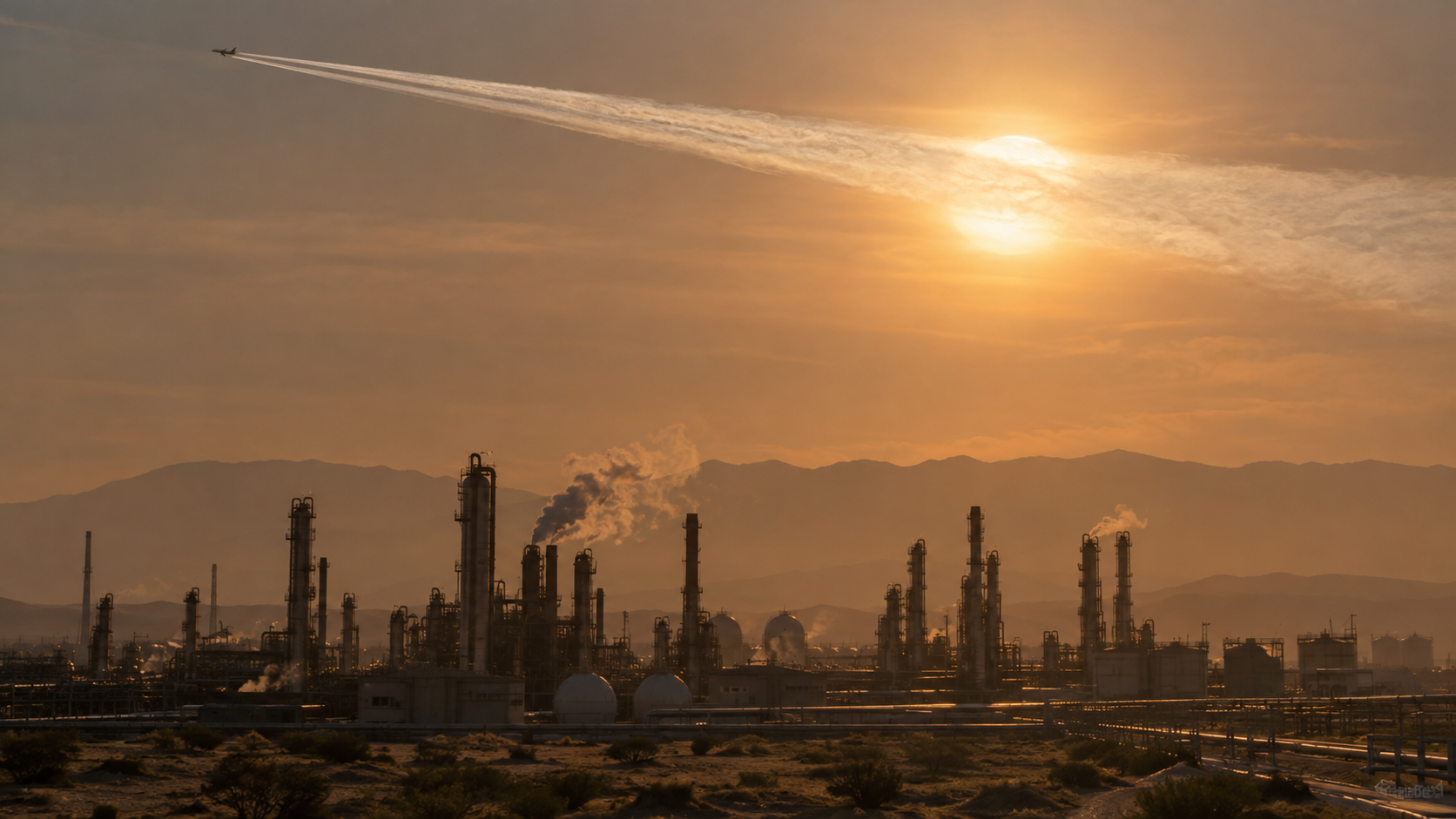
Global warming is not a mysterious process. We burn coal, oil and gas, and the carbon dioxide accumulates in the atmosphere, warming the planet. There are complications, obviously—methane, feedback loops, ocean circulation—all that, but the basic mechanism has been understood for a long time. If we want to stop making the planet hotter, we have to stop putting so much carbon dioxide into the atmosphere.
But what if we don’t do that and instead dim the sun?
The idea is solar geoengineering, or solar radiation modification. One way to do it is to release reflective particles high into the atmosphere, where they float around while bouncing a fraction of sunlight back into space. Nature has demonstrated the basic concept. Large volcanic eruptions can temporarily cool the planet and contributed to cooler periods during the Little Ice Age. The geoengineering version is, roughly speaking, a volcano, but mechanical and scheduled.
There is something irksomely human about this. We discover that burning fossil fuels is changing the atmosphere and harming us, so we spend decades arguing about whether we should stop doing it, eventually arriving at the possibility of changing the atmosphere in another way to compensate for the first change. This is why people have junk drawers.
And the sun-dimming idea isn’t exactly science fiction. Researchers are studying it right now because climate change is showing its teeth, and solar geoengineering could become the “nuclear option,” capable of quickly lowering temperatures should the planet heat even faster than predicted.
That is where the idea gets really uncomfortable, because it’s almost certain to work in one narrow sense: cooling the planet. But would do nothing about the carbon dioxide causing the warming. It would also not stop ocean acidification, and is likely to create new risks by altering regional rainfall patterns with droughts and floods.
That brought me to a term: mitigation deterrence. The idea is that if we believe a future technology might rescue us from the consequences of today’s pollution, it weakens the pressure to stop polluting today.
Why shut down the coal plant if someone can simply pull the carbon back out of the atmosphere later? Why moth-ball oil and gas infrastructure if future machines can clean up the mess? And eventually, why endure the political fight of eliminating fossil-fuel emissions if we can cool the planet by reflecting a little sunlight?
At first this smacked of just another version of moral hazard. Give somebody insurance and they’re incentivized to be less careful. But that does not quite capture the worst part.
Imagine there is a hole in the roof. Fixing it would cost $500. But nobody wants to spend $500, so they put a bucket under the leak. Eventually, the ceiling rots, water gets into the wall, mold develops, yada, yada. At that point the only practical solution is a $40,000 renovation.
They did not simply uncover a $40,000 problem. They built one.
That is what I keep coming back to when I read about geoengineering. For decades, reducing greenhouse-gas emissions has been treated as too politically difficult, too expensive or too disruptive. Fossil-fuel infrastructure kept being built. Cars got even bigger. More people flew as flights got cheaper. Governments promised future emissions reductions while carbon dioxide continued accumulating.
1990 emissions: 22.5 Gt.
2025 emmissions: 38.1 Gt
Meanwhile, every year of delay made the original problem bigger and harder to solve.
Now another option enters the conversation. Maybe we can alter the sky.
There does not need to be a secret meeting where oil executives decide: first we cook the planet, then we sell everyone a planetary thermostat. The incentives do the work without any one person or group planning the whole thing.
An oil company wants another profitable decade of production. A politician wants gas prices low through the next election. A homeowner doesn’t want to replace the wasteful furnace yet. A government promises net zero in 2050, a convenient year because almost everyone making the promise will by then have another job or be dead.
Each decision can be defended individually. But collect enough of them and something changes. Yesterday’s extreme solution becomes today’s research program and tomorrow’s emergency measure.
That is the part I find most chilling. Odd are good that someday solar geoengineering really will become necessary. With millions of lives at risk from continued warming, rejecting a useful technology simply out of fear of unintended consequences could be its own kind of foolishness.
But consider how we might arrive at that point. After decades of rejecting less radical solutions as too expensive or disruptive, we could find ourselves contemplating an extraordinary intervention as the only practical choice.
I think there’s a useful phrase for this:
Manufactured inevitability.
Keep narrowing the choices long enough, and eventually you can truthfully say there are no alternatives left.